Ink is one of humanity’s oldest inventions, yet it remains one of the most dynamic technologies in the modern world. From the Gutenberg press to the high-speed digital printers of today, the evolution of Inks mirrors the progress of civilization itself. Today, ink is not just about writing on paper; it is a critical component of packaging, textile printing, electronics, and 3D printing. Understanding the composition and varieties of modern inks reveals a world of complex chemistry.
The Basic Composition of Ink
At its most basic level, ink is a fluid or paste that contains pigments or dyes and is used to color a surface. However, the formulation is far from simple. A typical ink consists of four key components:
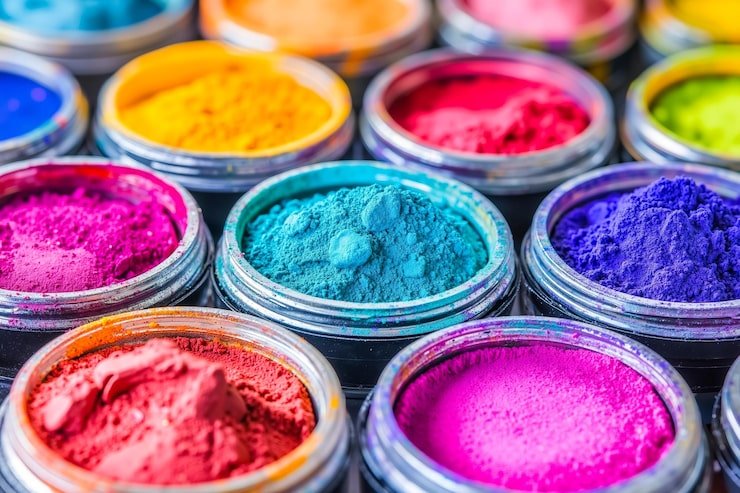
- Colorant: This provides the color. It can be a pigment (for opacity and durability) or a dye (for brilliance and solubility).
- Vehicle (Binder): This is the liquid that carries the colorant. It holds the ingredients together and ensures adhesion to the surface.
- Solvent: This helps the ink flow and evaporates after printing to leave the color and binder behind.
- Additives: These are special ingredients that tweak the ink’s properties—for example, drying agents, surfactants to prevent spreading, or UV stabilizers.
Types of Inks and Their Uses
The diversity of inks is staggering, with formulations tailored for specific substrates (surfaces).
1. Water-Based Inks: These are environmentally friendly inks where water is the solvent. They are commonly used in textiles and flexographic printing on corrugated cardboard. Their low VOC (Volatile Organic Compound) content makes them a green choice.
2. Solvent-Based Inks: These use organic solvents as the vehicle. They dry rapidly by evaporation and are known for excellent adhesion to non-porous surfaces like plastics and metals. They are widely used in outdoor signage and vehicle wraps due to their durability and weather resistance.
3. UV-Curable Inks: These are the modern marvels of the printing world. They contain no solvents; instead, they contain monomers and oligomers that instantly cure (harden) when exposed to ultraviolet light. This allows for printing on heat-sensitive materials and provides a very high-gloss, durable finish. They are widely used in digital printing and packaging.
4. Textile Printing Inks: Specifically designed for fabrics, these inks must be flexible and withstand washing. They often use pigments dispersed in acrylic binders (as discussed in previous posts) to ensure the color survives the rigors of garment life.
The Role of Ink in Packaging
In the modern economy, ink is a vital communication tool. Packaging does not just protect a product; it sells it. “Shelf appeal”—how a product looks on the shelf—is determined largely by the quality of the ink. High-quality inks ensure that the colors of a brand logo remain consistent across millions of packages. They also provide functional properties, such as “scratch and sniff” inks for food products or thermochromic inks that change color with temperature to indicate if a beverage is cold.
The Future of Ink: Sustainability and Electronics
The ink industry is currently undergoing a massive shift towards sustainability. The move away from volatile organic compounds (VOCs) and heavy metals is driving innovation in soy-based inks and algae-based inks.
Furthermore, the definition of ink is expanding into the realm of electronics. Conductive Inks, which contain silver or carbon particles, are used to print circuit boards, RFID tags, and even touch sensors. This “Printed Electronics” market is booming, turning standard printing presses into electronics factories.
Conclusion
Ink is much more than a medium for words; it is a functional material that enables commerce, branding, and technology. Whether it is the durability of a label on a shampoo bottle, the vibrant print on a t-shirt, or the conductive path in a smart device, the right ink makes the difference. As we move towards a more digital and sustainable future, the ink industry continues to innovate, proving that this ancient invention is more relevant today than ever before.