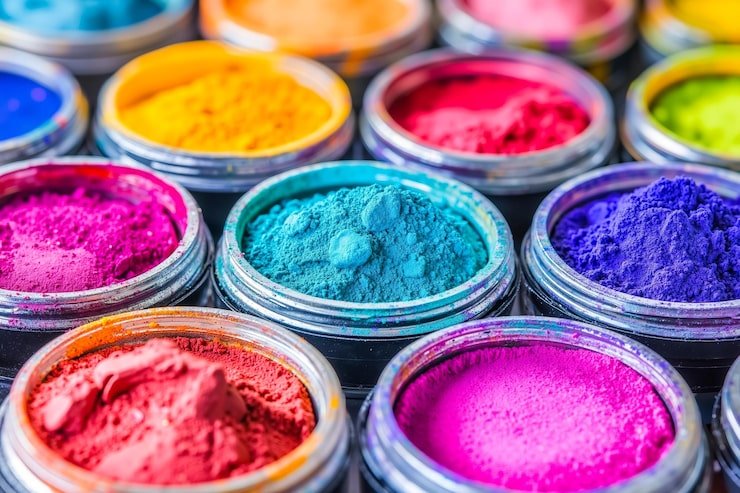
In the world of textile manufacturing, the importance of Binders cannot be overstated. They are the unsung heroes of the printing process. While pigments provide the color, it is the binder that ensures that color stays on the fabric. Without a high-quality binder, a beautifully printed design would wash away in the first laundry cycle. In essence, binders are the “glue” that adheres pigment particles to the textile fibers, ensuring durability, softness, and vibrant long-lasting prints.
The Role of Binders in Pigment Printing
To understand binders, one must understand pigment printing. Unlike dye, which chemically bonds with the fiber, pigment is an insoluble particle. It sits on top of the fabric. To keep it there, we need a mechanism to lock it in place. This is achieved by creating a film.
When a pigment paste is applied to fabric, it contains three main elements: the pigment (color), the binder (glue), and a thickening agent. Once printed, the fabric goes through a curing process (usually heat). During curing, the binder undergoes a physical change. It forms a continuous, transparent film over the fabric, trapping the pigment particles within and anchoring them firmly to the fiber surface.
Key Properties of a Good Binder
Not all binders are created equal. The quality of a binder is judged by several critical factors:
1. Adhesion and Rub Fastness: The primary job of the binder is to stick. It must have excellent adhesion to the specific fiber (cotton, polyester, or blends). Furthermore, it must have high resistance to rubbing. If the binder film is weak, friction (like simply rubbing the fabric with a hand) will cause the pigment to dust off. This is known as poor dry or wet rub fastness.
2. Elasticity: Fabrics stretch and move. If the binder film is rigid and brittle, it will crack when the fabric is stretched or folded. A good binder maintains elasticity, ensuring the print does not crack even after repeated wear and washing.
3. Hand Feel (Softness): This is often the trade-off in the industry. A stronger binder often results in a stiffer film, making the fabric feel rough or “boardy.” Modern textile chemists strive to develop “self-crosslinking” binders that provide strong adhesion with a very soft hand feel. This is crucial for fashion fabrics where comfort is paramount.
Types of Binders
Binders are generally categorized based on their chemical composition, most commonly Acrylic Binders. Acrylics are favored for their excellent balance of properties, including good adhesion to diverse fibers, durability, and relative cost-effectiveness. There are also specialized binders for high-performance applications, such as those requiring resistance to extreme washing or chemical finishing.
Application and Curing
The effectiveness of a binder is heavily dependent on the curing process. The binder usually requires a specific temperature and time to form a complete film. If the temperature is too low, the film remains tacky and unstable. If it is too high, the binder may yellow or degrade. Optimal curing is typically around 150°C to 180°C for 2 to 3 minutes.
Conclusion
Binders are the bridge between creative design and functional textile. They allow manufacturers to use the versatile and economical pigment system while ensuring the final product meets consumer expectations for quality and durability. As the demand for softer, more durable, and eco-friendly textiles grows, the science of binder formulation continues to advance, paving the way for innovative printing techniques that can withstand the test of time.